How Electronics Recycling Can Assist Companies Go Sustainable: Eco-friendly Initiatives for Corporations
Electronics recycling provides a vital option for enterprises working to boost their sustainability undertakings. By addressing e-waste properly, firms can minimize their environmental consequences and obtain important resources. Moreover, adopting these methods can strengthen corporate standing with green-focused consumers. Yet, numerous companies might overlook the difficulties found within rolling out a productive waste reduction approach. Grasping these considerations is critical for plotting the direction to sustainable activities and obtaining enduring results.
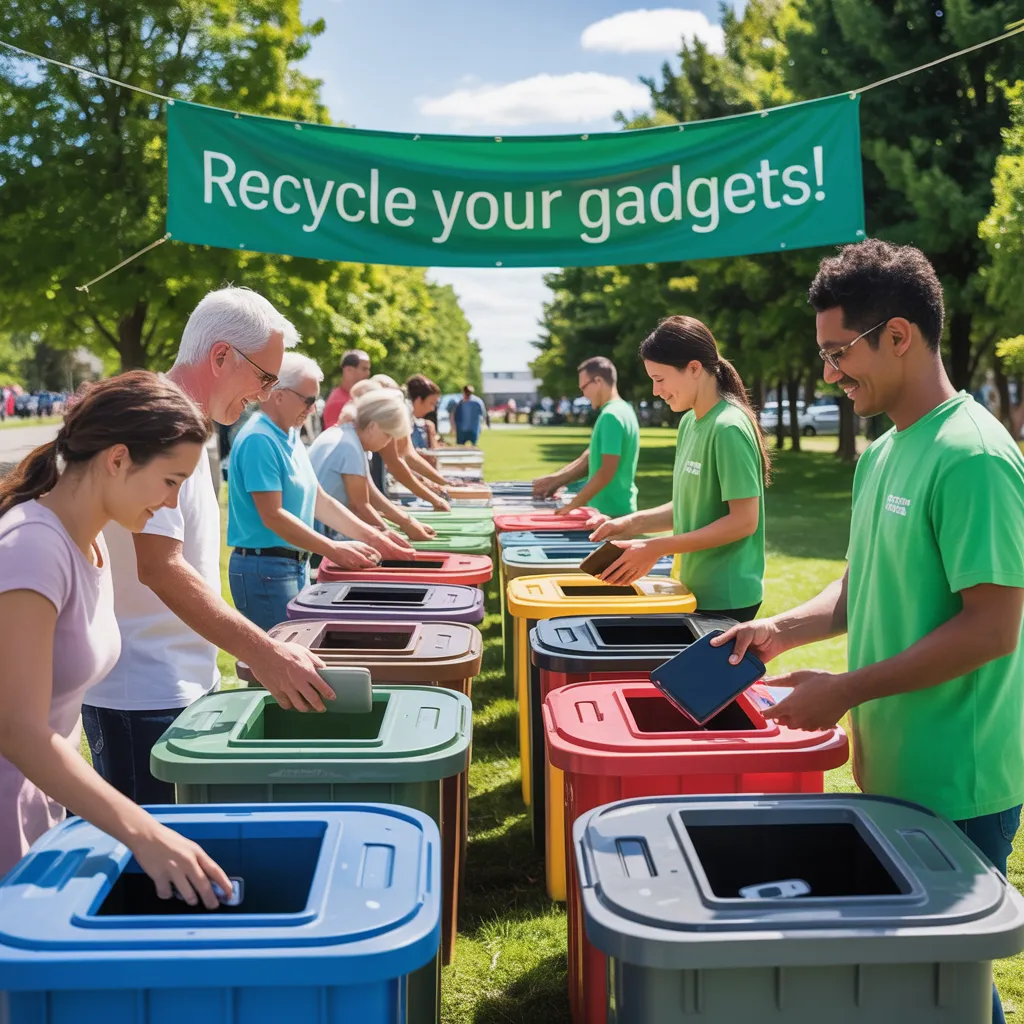
Why Electronic Devices Recycling Is Important for Businesses
Although many enterprises may disregard the importance of electronics disposal, it functions as an important role in promoting sustainability and reducing environmental impact. As technological progress accelerates, companies frequently upgrade their electronic devices, resulting in a mounting volume of e-waste. Effective recycling ensures that precious materials are reclaimed, reducing the requirement for new material extraction and saving energy.
Additionally, engaging in electronics recycling can strengthen a company's reputation. Consumers more frequently choose businesses devoted to sustainable practices, and exhibiting responsibility in managing e-waste can attract environmentally aware customers. Adherence to regulations regarding electronic waste also safeguards businesses from potential legal liabilities and fines.
In addition, recycling can provide budget relief. By responsibly disposing of superseded electronics, companies can minimize waste disposal fees and realize financial value from recyclable materials. Overall, advancing electronics recycling is not merely an conscientious choice; it is a informed business decision that embraces modern sustainability goals.
Electronics Recycling Decreases Ecological Impact
Electronics recycling serves as an essential role in reducing environmental consequences by conserving natural resources and minimizing e-waste contamination. By recovering precious materials, this practice supports the promotion of circular economy principles. As companies engage in responsible recycling, they contribute to a more sustainable future.
Safeguarding Natural Resources
Recycling electronics greatly aids the conservation of natural resources by reclaiming valuable elements. Many electronic devices contain precious metals such as gold, silver, and palladium, which are extractable and reusable. This process lowers the necessity of mining, a resource-heavy operation that drains ecosystems and uses significant energy. Moreover, recycling assists in recovering rare earth elements that are necessary in manufacturing new technologies. By diverting electronic waste from landfills, businesses also reduce the environmental impact of resource extraction but also promote a circular economy. This sustainable habit allows companies to cut down on their carbon footprint, lower production costs, and champion environmental stewardship, ultimately fostering a healthier planet for future generations. Through responsible recycling, businesses can pioneer conserving essential natural resources.
Reducing E-Waste Pollution
A important part of worldwide waste includes electronic devices, resulting in worsening environmental pollution. When e-waste is thrown away improperly, it releases hazardous materials such as heavy metals and toxins that contaminate soil and water. The recycling of electronics helps mitigate these dangers by making sure harmful parts are handled safely and responsibly. By repurposing materials like metals, plastics, and glass, recycling reduces the need for new resource extraction, further decreasing environmental harm. Additionally, recycling programs encourage the responsible disposal of outdated devices, assisting businesses comply with environmental regulations. By engaging in electronics recycling, companies not only lower their carbon footprint but also encourage a healthier ecosystem. Taking this proactive step reflects corporate responsibility and effectively confronts the critical challenge of e-waste pollution.
Advancing Circular Economy Strategies
Launching comprehensive e-waste management programs acts as an indispensable pillar in fostering circular economy models. Through handling electronic waste, businesses can considerably diminish the demand for raw resources, accordingly safeguarding irreplaceable resources and mitigating ecological degradation. Such activity supports the reclamation of significant components, extending the lifecycle of products and reducing the volume of e-waste routed to landfills. Similarly, by embracing circular business models, entities can fortify their brand reputation and align with consumer demand for sustainable practices. Championing thoughtful recycling practices additionally stimulates breakthrough innovations in product development, driving manufacturers to construct apparatus that work better for disassembly and recycling. Fundamentally, integrating e-waste recycling into institutional operations supports a more environmentally conscious world, positively impacting both the natural world and the economy.
Key Strengths of Electronics Recycling for Businesses
Electronics reprocessing provides substantial advantages for companies, primarily through cost savings and ecological footprint decrease. By correctly disposing of old devices, organizations can minimize waste expenses and recover precious resources. Additionally, embracing recycling practices improves corporate responsibility and encourages sustainability efforts.
Budget Reduction Options
Countless companies are recognizing significant savings through efficient electronics recycling practices. By establishing these programs, firms can reduce expenses related to e-waste, since recycling is typically cheaper than landfill disposal. Equally, important materials sourced from old electronics can be resold, generating revenue and offsetting replacement costs. Streamlined recycling systems also decrease storage costs for outdated equipment, liberating valuable office space. Moreover, many businesses gain from tax incentives related to green initiatives practices, offering another component of financial advantage. Overall, embracing electronics recycling not only supports corporate responsibility but also fosters economic efficiency, allowing businesses to use resources more effectively and improve their bottom line.
Minimizing Environmental Effects
A considerable decrease in environmental effects is one of the key strengths enterprises enjoy when they establish organized electronics recovery initiatives. By salvaging functional devices, businesses can suppress dangerous contaminants, such as toxic elements and harmful substances, that can infiltrate practical tips soil and water bodies. This not only supports the preservation of natural assets but also minimizes the emissions footprint caused by making fresh equipment. Additionally, managing decreases energy demands, as it often requires lower power consumption to refine recovered substances than to obtain and refine primary resource stocks. As organizations roll out these systems, they foster circular production models, encouraging ecological conservation and responsibility. Ultimately, accountable material recycling facilitates organizations to bolster green reputation while helping the natural world.
How to Design a Winning Electronics Recovery Method
Putting together a successful technology waste recycling strategy involves precise design and execution. Firms should proceed by inspecting their current electronic waste management practices to identify areas for progress. This evaluation should include an registry of outdated apparatus and an assessment of discharge methods.
To begin, organizations are obligated to set specific targets for their green programs, which could feature decreasing waste production, boosting recycling rates, or advancing environmental goals. Engaging the workforce using training programs fosters a culture of environmental consciousness and reinforces commitment in sustainability activities.
Additionally, setting a schedule and budget is essential for monitoring progress and ensuring resources are distributed effectively. Regularly assessing and updating the strategy based on input and evolving regulations helps maintain compliance and performance. By combining these elements, companies can create a robust electronics recycling program that not only benefits the environment but also supports corporate accountability and enhances their sustainable image.
Steps to Locate the Appropriate Electronic Waste Recovery Ally
In what way can a enterprise guarantee that its electronics recycling provider aligns with its sustainability goals? Selecting the right recycling partner demands thorough assessment of their procedures and certifications. Organizations should pursue partners who hold established certifications, like R2 or e-Stewards, which confirm compliance to environmental standards.
Additionally, organizations should question about the partner waste recycling methods, including the methods used to handle hazardous waste and the percentage of recycled materials versus those directed to landfills. Transparency in reporting and data management practices is also imperative.
Additionally, a solid standing in the industry can demonstrate trustworthiness; businesses may gain benefits from reviews and testimonials from other clients. Engaging in transparent communication about environmental objectives will help guarantee alignment. Ultimately, choosing a partner committed to responsible waste management can significantly improve a corporation's overall environmental programs.
Dispelling Frequent Untruths Regarding Electronics Recycling
Many companies understand the value of electronics recycling, but several myths remain that can impede efficient practices. A frequent misconception is that all electronics can be thrown away in common recycling bins. Actually, specialized facilities must be used to manage electronic waste safely. Another myth implies that recycling electronics is too pricey for businesses. In reality, many recycling programs supply free or low-cost services that can ultimately save companies money by decreasing waste disposal fees. Additionally, some think that data security concerns make recycling too hazardous. However, reputable recycling partners provide certified data destruction services, ensuring sensitive information is securely handled. Lastly, there is a notion that recycling electronics has minimal environmental impact. In truth, proper recycling significantly reduces e-waste in landfills and preserves valuable resources. Debunking these myths is vital for businesses trying to adopt sustainable practices and benefit the environment.
Tracking Your Electronics Recycling Success
Businesses that successfully debunk myths about electronics recycling often find themselves motivated to measure their development. Recording key performance indicators is important for evaluating the effectiveness of recycling efforts. Metrics such as the volume of e-waste recycled, the percentage of materials retrieved, and cost savings can provide valuable data.
Additionally, companies should evaluate their greenhouse gas emissions decrease and compliance with environmental regulations. Engaging employees through educational initiatives can also be quantified by engagement levels in recycling programs.
Including customer comments can further enhance knowledge of the recycling program's impact. Consistent audits and reporting on these metrics not only underscore accomplishments but also identify areas for improvement.
In the end, a carefully planned approach to monitoring electronics recycling success empowers businesses to make information-backed decisions, encouraging a culture of sustainability that benefits both the environment and the organization.
Often Posed Questions
Which Types of Electronics Are Able to Be Recycled?
Numerous types of electronic devices can be recycled, including computers, smartphones, tablets, televisions, printers, and gaming consoles. These items often contain valuable materials that can be repurposed, lowering waste and encouraging environmental sustainability.
How Frequently Should Businesses Dispose of Their Electronics?
Organizations should reprocess their electronic equipment no less than once annually, or more consistently based on infrastructure improvements and equipment turnover. Ongoing recycling initiatives guarantees streamlined resource handling and observance of environmental regulations, supporting environmental consciousness in your organization.
Are There Expenses Connected to Electronics Recycling?
Yes, there are expenses associated with electronics recycling, such as pickup, transportation, and processing fees. However, these expenses can be balanced by potential gains from reduced waste disposal and observance of environmental regulations.
Can Reusing Electronics Generate Data Privacy Risks?
Yes, recycling electronics can result in data security risks if correct measures are not maintained. Confidential details may be carelessly revealed during the recycling process, illustrating the importance of secure data destruction processes before disposal.
What Accreditations Should a Recycling Partner Have?
A reputable recycling partner should possess certifications such as R2, e-Stewards, and ISO 14001. These qualifications verify conformity with ecological requirements, data security protocols, and ethical disposal methods, preserving both the natural surroundings and sensitive information.